The crossing is not the boring part before the island. It is the part that decides how long you stay, what you carry, and whether you make your flight home.
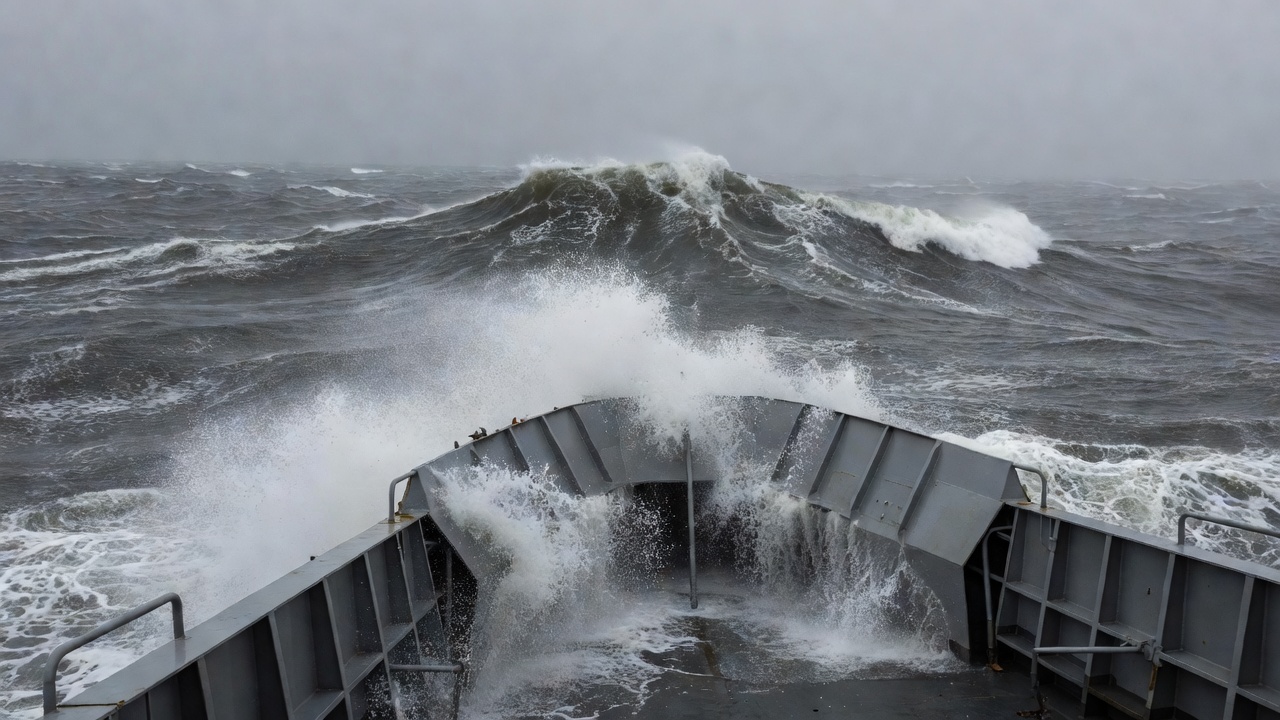
A ferry crossing in rough water. Illustrative; operator and route not identified.
The timetable is the itinerary
On the mainland, transport adapts to travellers. On small islands, travellers adapt to transport. Services are designed first for residents: getting children to school, patients to hospital and groceries to the shop. Visitors fit into the gaps. Understanding that order of priority explains why a sailing may be full, why a flight carries freight before tourists' luggage, and why a cancelled crossing can ripple through an entire week.
Comparing the ways across
Mode
Where it runs
Strengths
Constraints
Plan for
Regional ferry
CalMac in western Scotland; Faroese Strandfaraskip Landsins
Carries vehicles, bikes and luggage
Winter cancellations; summer vehicle space sells out
Foot-passenger travel where possible
Long-distance ship
Ogasawara Maru from Tokyo; Aranui 5 to the Marquesas
In Orkney, the scheduled Loganair hop between Westray and Papa Westray covers about 1.7 miles and is timetabled at around two minutes, often cited as the shortest scheduled passenger flight in the world. It is a lifeline service, not a novelty ride: seats are used by teachers, nurses and residents. Island aircraft typically carry eight passengers or fewer, so baggage allowances are strict and passengers may be weighed.
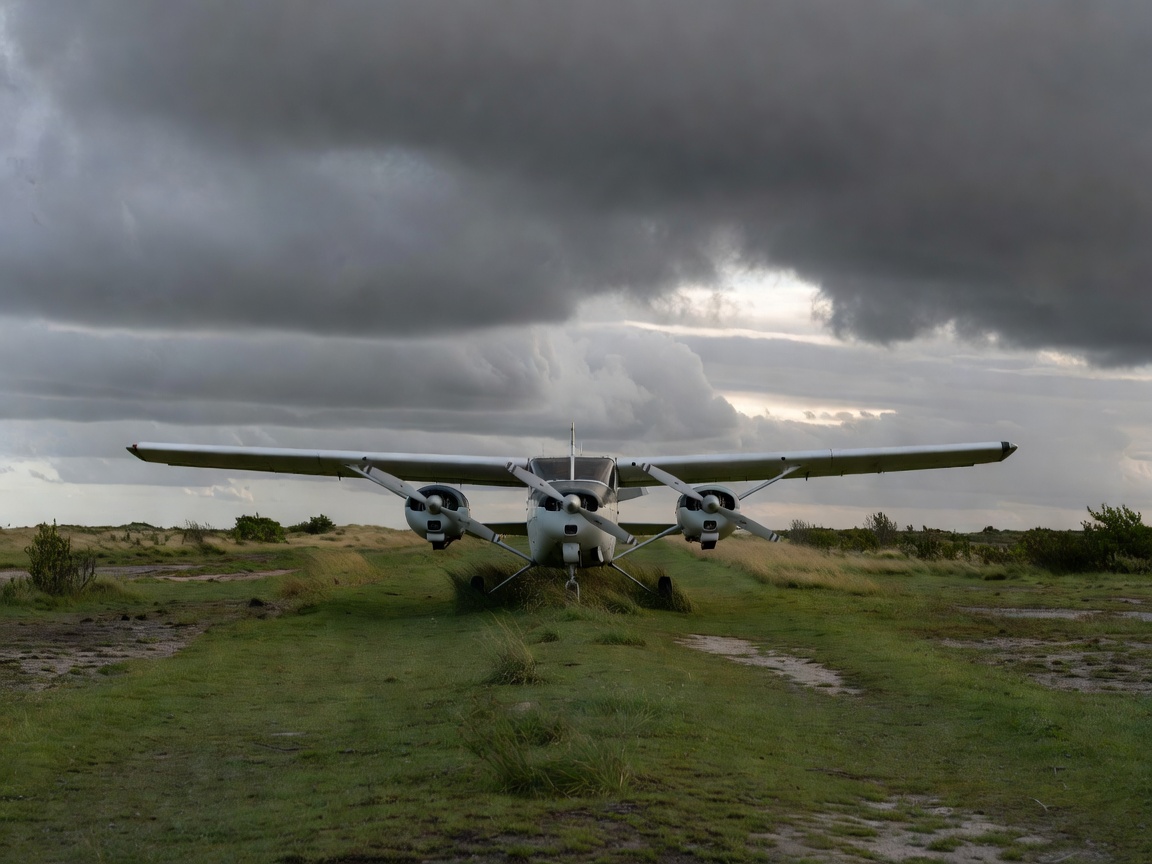
Illustrative: a light aircraft on a rural island airstrip.
Barra's tidal runway
On Barra in the Outer Hebrides, aircraft land on the cockle beach of Traigh Mhòr. Because the runway disappears at high tide, flight times shift from day to day. Check the timetable for your date, and expect cancellations when sea mist rolls in.
Long voyages to islands without airports
The Ogasawara Maru takes about 24 hours from Tokyo to Chichijima, typically completing one round trip roughly every six days. In French Polynesia, the passenger-freighter Aranui 5 carries cargo and travellers from Papeete to the Marquesas, stopping where freight dictates. On these routes, the ship is the community's supply chain; respect cargo priorities and crew instructions.
Landing is not guaranteed
Many islands lack deep-water piers. Passengers transfer by tender, rib or longboat, as on Pitcairn and Tristan da Cunha. St Kilda day trips frequently cannot land because of swell at Village Bay. Wear sturdy footwear, keep hands free, and follow crew instructions exactly when stepping between moving vessels.
Planning checklist
Build buffer days. Allow at least one day between an island crossing and any onward flight; more for weekly services.
Book accommodation first. On capped or tiny islands, a bed is scarcer than a seat.
Read the operator's disruption policy. Know whether you will be rebooked automatically or must call.
Insure for delays. Confirm cover for weather disruption and missed connections.
Carry cash and offline maps. Card machines and signal can fail.
Prepare for seasickness. Open-ocean crossings can be rough even in summer.
Pack light and soft. Small planes and boat transfers punish hard suitcases.
Weather sources worth knowing: national shipping and inshore forecasts, such as the UK Met Office inshore waters forecast, describe sea state more usefully than a general app. Swell height and direction often matter more than wind alone. See also common questions.
We use cookies Some cookies are needed for the site to work. Others help us understand how it is used. You can change your choice later. Read more